

Introduction
In recent months, we’ve explored how imaging systems perform in demanding environments — from ultra-low-light conditions to real-world field testing in rural settings.
But behind every test, every design decision, and every system is something less obvious: where that work takes place. At Watec, our location in North Alabama is more than geography. It is part of the engineering environment that shapes how we think about imaging performance, reliability, and system design.
The North Alabama Technology Corridor
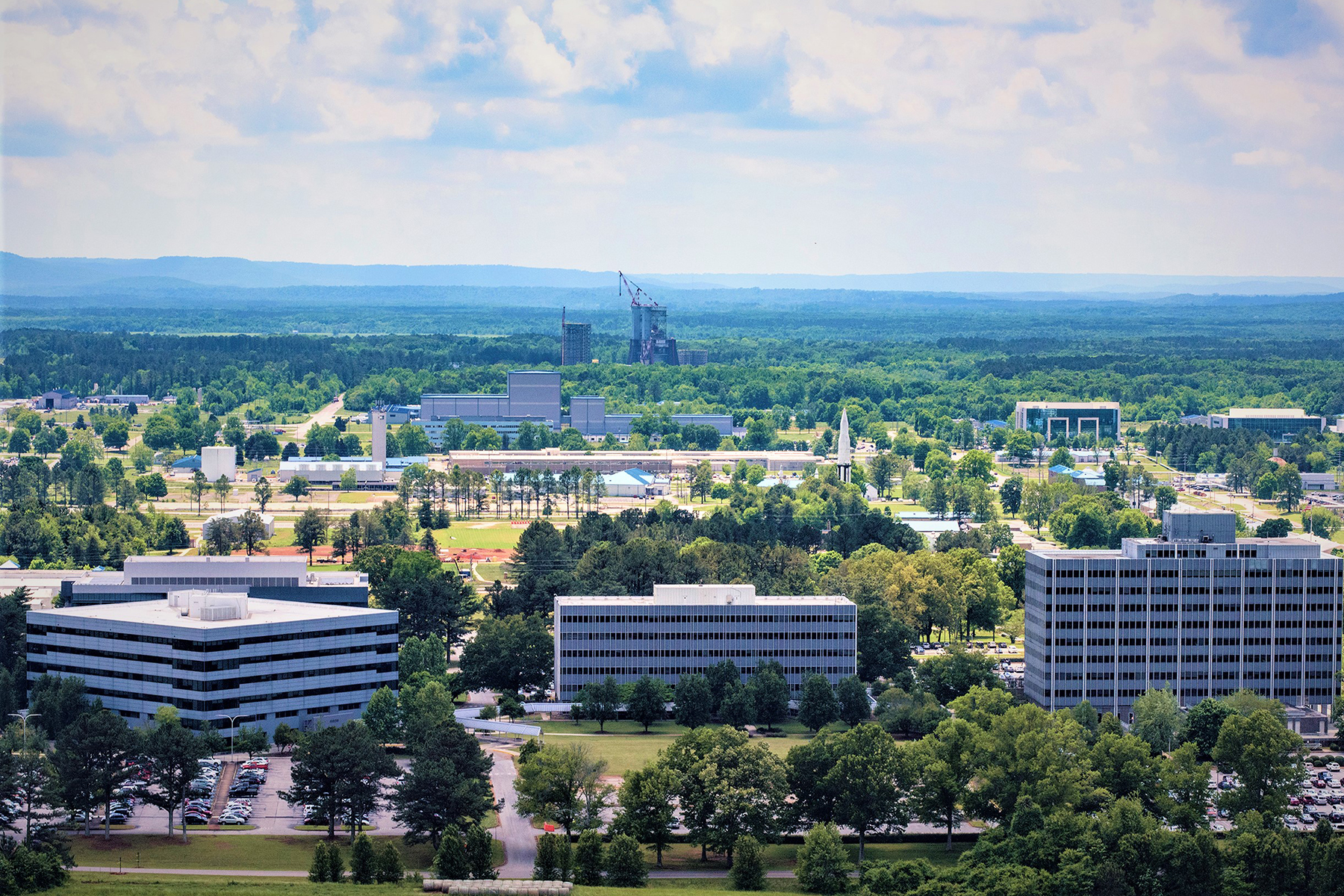
North Alabama — particularly the Huntsville and Decatur region — is one of the most concentrated technology corridors in the United States.
With proximity to NASA’s Marshall Space Flight Center, Redstone Arsenal, and a dense network of aerospace, defense, and engineering organizations, the region has developed a culture centered around:
- Precision engineering
- Systems integration
- Reliability under demanding conditions
- Long-term performance expectations
This environment doesn’t just influence industries — it shapes how challenges are approached and solved. At Watec, this translates into a standard line of cameras and bundle packages with the performance, reliability, and integration requirements demanded by these sectors. Our bundle packages offer camera, lens, power supply and other accessories to get your project started quickly with interchangable quality parts.
Engineering Culture vs. Consumer Thinking
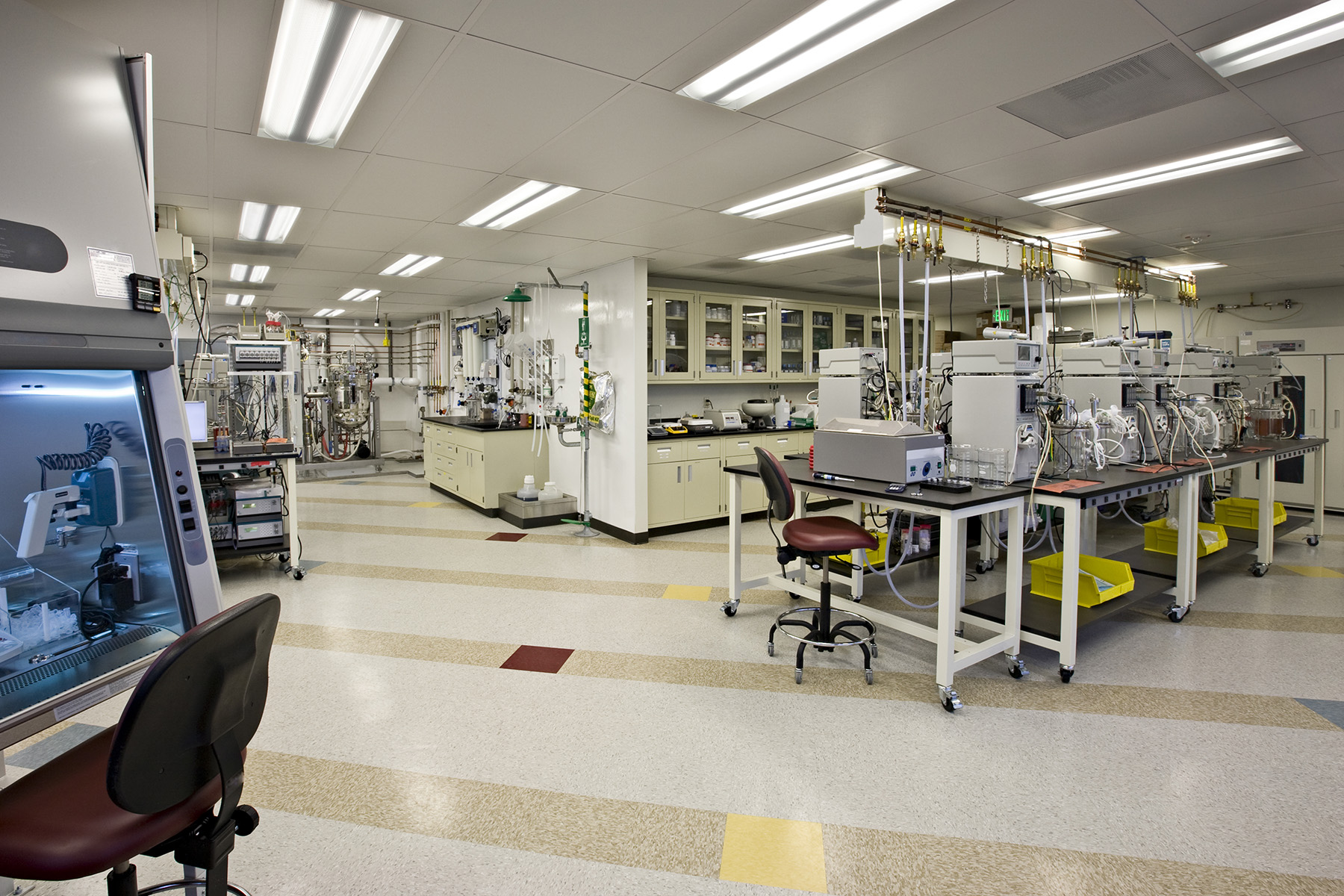
In many markets, cameras are evaluated based on features, resolution, or price.
In engineering-driven environments, the conversation is different.
It focuses on:
- Signal quality over raw resolution
- Stability over short-term performance
- Measurable results over marketing claims
- System compatibility over standalone capability
This mindset influences how imaging systems are designed and evaluated. Performance is not defined by ideal conditions — it is defined by how systems behave in real-world environments.
Real-World Environments Shape Performance

During a recent field test, we deployed imaging systems in a rural Alabama environment to evaluate performance in near pitch-black conditions.
No controlled lighting. No studio setup. Just open land, fading daylight, and eventually — complete darkness.
This type of environment highlights a critical reality: Real-world conditions are unpredictable. Lighting changes. Environmental factors vary. Infrastructure may be limited.
Testing in these conditions reinforces a simple principle:
Imaging systems must perform where conditions are least forgiving — not where they are optimized.
Watec continues to set the benchmark for these least forgiving conditions. Our bundled kits offer interchangable quality parts that meet the requirements of these demanding environments.
Systems Thinking and Integration
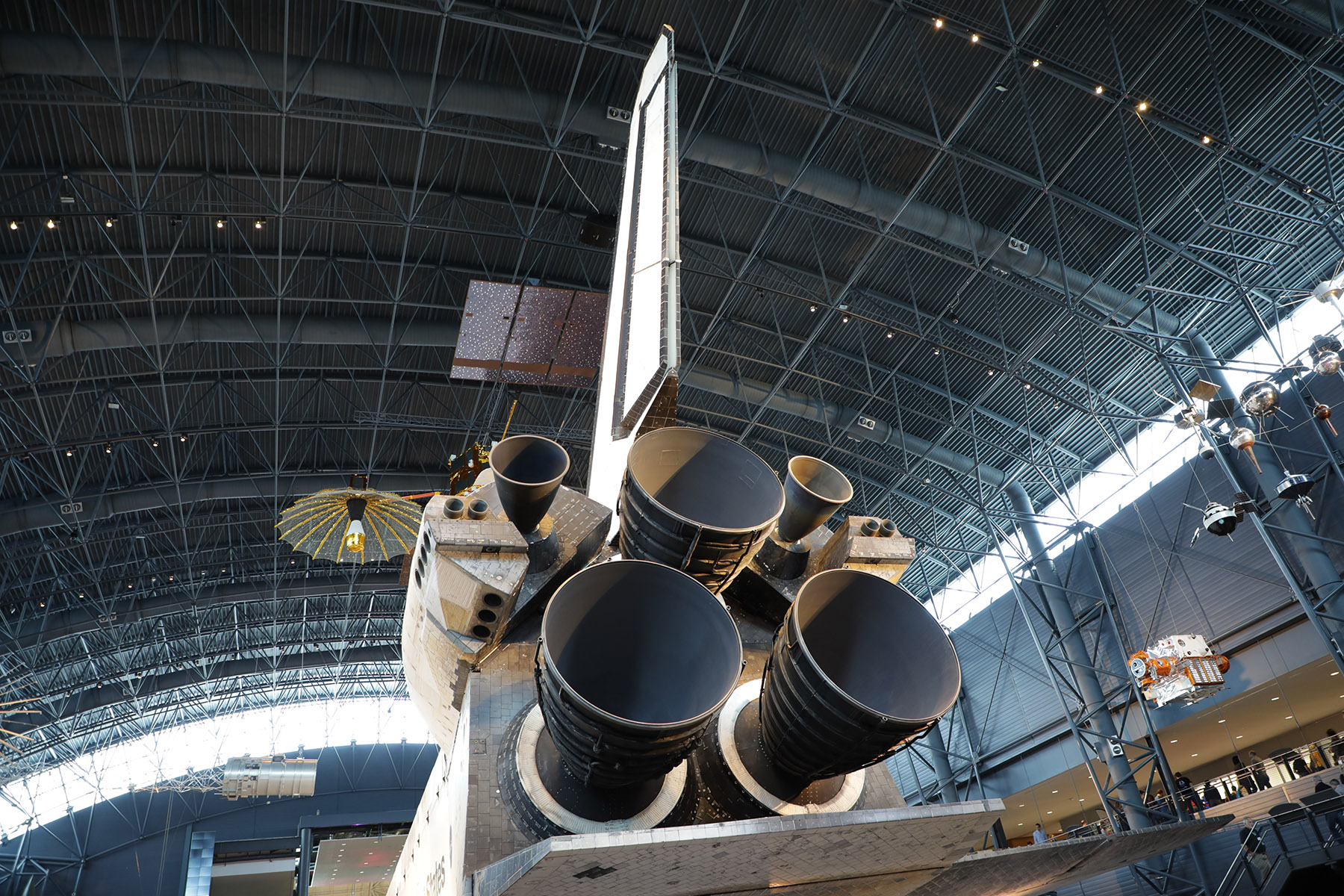
In regions shaped by aerospace and defense industries, systems are rarely viewed in isolation.
The same applies to imaging.
Cameras are part of larger ecosystems that may include:
- Monitoring platforms
- Sensor networks
- Access control systems
- Data processing infrastructure
This requires:
- Interoperability
- Stable data output
- Consistent performance over time
- Compatibility with evolving architectures
Early design decisions — particularly around integration and data handling — often determine long-term system effectiveness. At Watec, this is embodied in our line of camera systems and integrated bundle solutions, designed to support the performance, reliability, and system compatibility required in these applications. Each bundle includes carefully selected components — camera, lens, power, and accessories — to enable efficient deployment with flexible, high-quality parts.
Why This Matters
Location influences more than operations — it shapes perspective.
Being part of a technical ecosystem like North Alabama reinforces a focus on:
- Real-world performance
- Engineering discipline
- System-level thinking
- Reliability in demanding environments
For those evaluating imaging systems, this translates to a different kind of approach — one that prioritizes usable clarity, consistency, and integration over surface-level specifications.
Conclusion

In imaging, performance is not defined solely by specifications. It is shaped by environment, experience, and the expectations of the ecosystem in which systems are designed and tested.
At Watec, our location is part of that foundation — influencing how we approach imaging challenges and how we define performance in the environments that matter most.
Contact our Decatur–Huntsville support team today or request a personalized quote: (888) 567-4294


