
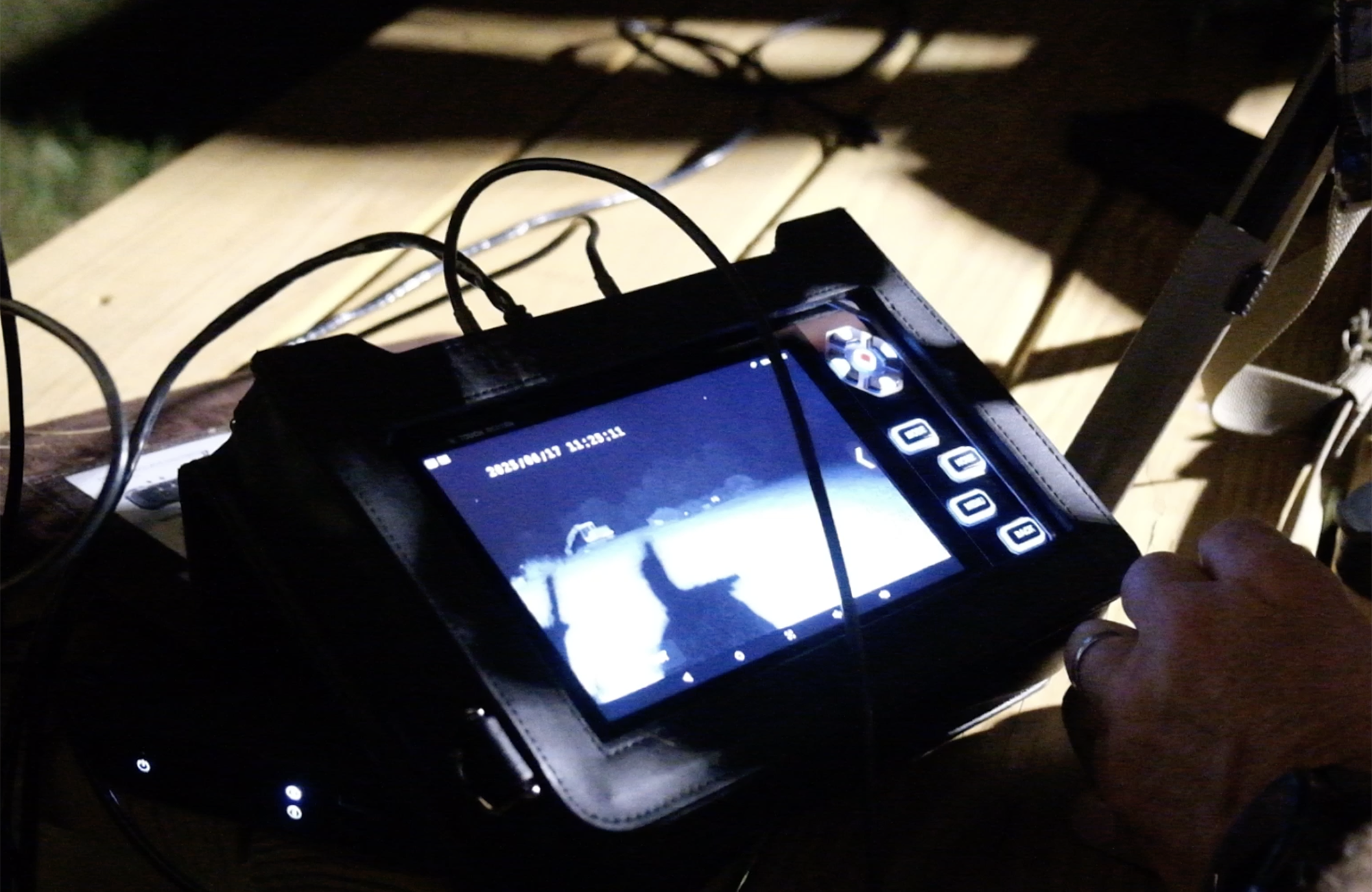
Technical considerations for ultra-low-light performance, image integrity, and reliable system integration.
Public safety and forensic environments often present unique imaging challenges — from near-dark conditions to evidence-sensitive documentation requirements. Selecting the right imaging system requires more than resolution alone. It demands careful evaluation of sensor sensitivity, data integrity, interoperability, and long-term operational stability.
Watec Cameras
Understanding the Operational Environment
Public safety environments frequently involve:
• Limited or variable lighting
• Extended operating hours
• Integration with multiple systems
• Evidence-sensitive documentation workflows
• Infrastructure and mounting constraints
Unlike controlled laboratory settings, real-world deployments must account for unpredictable illumination levels, dynamic movement, and data handling considerations. Imaging systems must perform consistently — not just under ideal test conditions.
Evaluating performance in real-world lighting scenarios is often more important than reviewing minimum lux specifications alone.
Beyond Minimum Lux Ratings
Minimum illumination ratings provide a baseline, but they do not tell the entire story. In low-light environments, additional factors significantly impact usable image clarity:
• Signal-to-noise ratio (SNR)
• Sensor sensitivity and pixel size
• Monochrome versus color sensor behavior
• Gain management and noise handling
• Lens selection and light transmission
In near-dark conditions, image noise, motion blur, and compression artifacts can compromise clarity. Systems designed specifically for ultra-low-light performance prioritize clean signal output and stability under minimal illumination.
When analytics or documentation workflows depend on image reliability, the quality of the original sensor data becomes foundational.
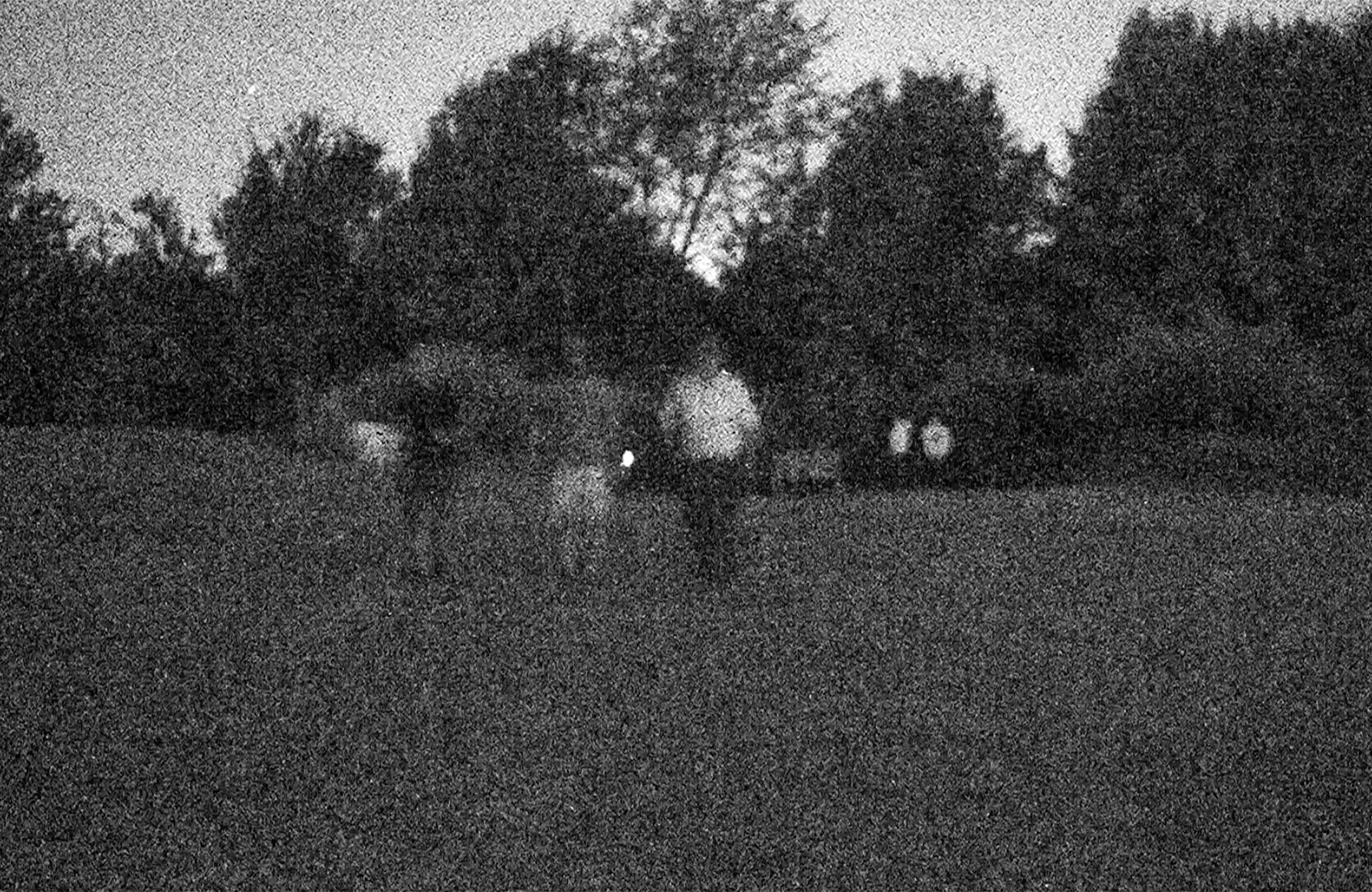
People walking in pitch black as seen from the WAT-3200.
Data Integrity and Evidence Awareness
In environments where imagery may be reviewed, archived, or analyzed later, image integrity becomes critically important.
Key considerations include:
• Compression strategy (e.g., impact of AV1 or other codecs)
• Metadata preservation
• Data authenticity safeguards
• Cybersecurity alignment
• Interoperability with open standards (e.g., ONVIF)
As artificial intelligence and analytics layers expand, the reliability of the underlying video data directly affects system performance. Trusted data begins at the sensor level and continues through storage and transmission.
Emerging discussions around video authenticity and digital manipulation further underscore the importance of maintaining clear, stable, and verifiable image data.
Watec Design Philosophy
Engineering for Demanding Environments
At Watec, our imaging systems are engineered with emphasis on:
• Ultra-low-light sensitivity
• Compact integration capability
• Continuous operational stability
• Clear signal output in challenging environments

Rather than focusing solely on resolution, our design philosophy prioritizes usable image clarity, consistent performance, and compatibility with broader system architectures. Every deployment environment is unique. Thoughtful evaluation of sensor performance, lighting conditions, and system integration requirements helps ensure long-term success.